Flaky Croissant Dough
Highlighted under: Pastry & Sweets
As I embarked on the journey of making flaky croissant dough, I learned that patience and precision are key. There’s something utterly satisfying about transforming simple ingredients into delicate layers of buttery goodness. The smell of freshly baked croissants wafting through my kitchen is a reward unlike any other. With every fold and roll, I could feel the anticipation building, and I was eager to share the joy of this process with anyone who appreciates good pastry. Trust me, making croissants at home is an experience worth every minute!
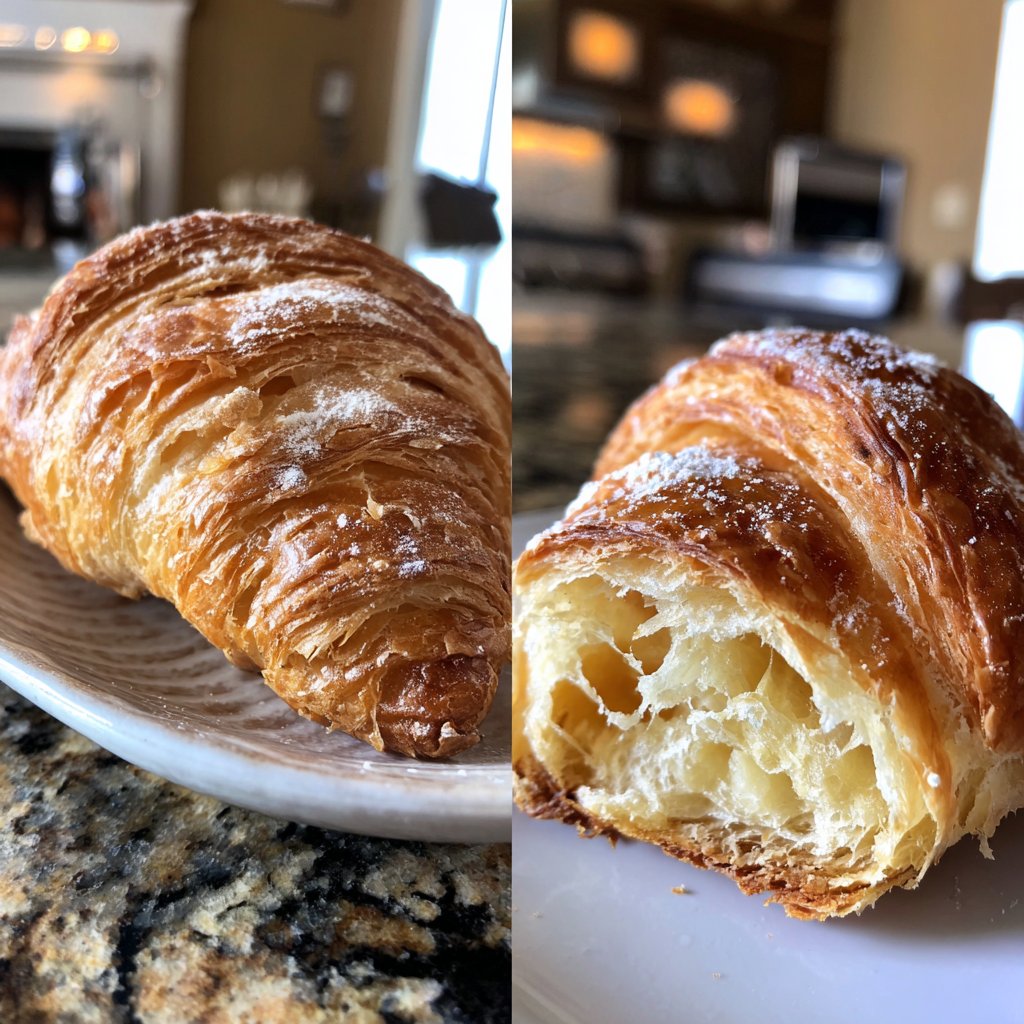
When I first tackled flaky croissant dough, I was surprised by how the process of lamination creates those beautiful, airy layers. Each fold adds complexity, and the result is nothing short of magical. I found that letting the dough rest properly between folds really makes a difference in achieving that perfect rise. Don't rush it!
I also learned the importance of using cold ingredients; it keeps the butter from melting prematurely, which is crucial for that tender, flaky texture. My favorite tip? Use a bench scraper to keep things tidy and to ensure even folds. Happy baking!
Why You Will Love This Recipe
- Deliciously buttery and flaky texture that’s hard to resist
- Perfectly layered for a stunning presentation
- Ideal for brunch, afternoon tea, or a cozy breakfast
Understanding Lamination
The lamination process is pivotal in achieving the flaky texture characteristic of good croissant dough. During this stage, the cold butter must remain solid while you roll and fold the dough. This creates distinct layers that will puff up in the oven. Ensure that both your butter and dough are at the same low temperature; if the butter melts into the dough, you won't get those airy layers. A good visual cue is to stretch the dough slightly without tearing it; if it holds its shape, you’re on the right track.
It’s also crucial to roll out the dough evenly. Uneven thickness can lead to inconsistent baking. My best tip is to frequently check the size of your rectangle while rolling; it should approximately measure 24 by 12 inches, allowing ample room for proper folding. Each fold doubles the layers, so the more careful you are here, the better your croissants will be. Don't rush—patience is key!
Troubleshooting Common Issues
If your croissants don't rise properly during proofing, it could be due to several factors. First, ensure your yeast is active; if unsure, a quick test with warm water and sugar can confirm its potency. Additionally, the proofing environment should be warm and humid. I often place mine in a slightly warmed oven (turned off) with a cup of hot water to create steam, which promotes a better rise.
Another common issue is underbaking, which can lead to a doughy center. Make sure to bake your croissants until they are a deep golden brown, which typically takes about 20 minutes at 400°F (200°C). If they start to get browner than you like before they're baked through, it’s wise to cover them with foil to prevent burning while they finish cooking. Always trust your senses; the smell and color are strong indicators of doneness!
Storage and Make-Ahead Tips
Making croissant dough ahead of time can greatly ease your baking day. After the lamination process, you can wrap the dough tightly in plastic wrap and freeze it. When ready to bake, thaw in the refrigerator overnight and proceed with the shaping and proofing. This method allows flavors to develop further, enhancing the buttery richness of your croissants.
When it comes to storing baked croissants, keeping them in an airtight container at room temperature for up to two days is best. Although they can be frozen for longer storage, simply reheat them in the oven at 350°F (175°C) for about 10-15 minutes to revive their flaky texture. Avoid microwaving, as that tends to make them soggy rather than restoring their crispness.
Ingredients:
For the Dough
- 4 cups all-purpose flour
- 1/2 cup cold water
- 1/2 cup cold milk
- 1/4 cup granulated sugar
- 1 tablespoon salt
- 2 teaspoons instant yeast
- 1 1/2 cups unsalted butter, cold
Ensure all ingredients are cold for better lamination.
Instructions:
Prepare the Dough
In a large bowl, combine flour, sugar, salt, and yeast. Gradually add cold water and milk, mixing until a shaggy dough forms. Knead lightly, then shape into a ball and wrap in plastic wrap. Refrigerate for 30 minutes.
Lamination Process
On a floured surface, roll out the chilled dough into a rectangle. Place the cold butter in the center, then fold the dough over to encase the butter. Roll out the dough into a larger rectangle and perform three folds, refrigerating for 20 minutes between each fold.
Shape and Bake
After completing the folds, roll out the dough into a large rectangle again. Cut into triangles and roll them up from the base to the tip to shape your croissants. Set on a lined baking sheet, let proof for 1 hour, then bake at 400°F (200°C) for about 20 minutes until golden brown.
Let the croissants cool slightly before serving.

Pro Tips
- Using high-quality butter makes a noticeable difference in flavor. Don’t skip the resting times
- they're essential for the best texture.
Ingredient Insights
The choice of flour in this recipe is crucial. All-purpose flour works well due to its moderate protein content, which balances gluten development and tenderness. If you want an even more tender texture, consider substituting a portion with pastry flour. This adjustment can yield a croissant that is light and airy, perfect for those who prefer a softer bite.
Using cold liquids—both water and milk—matters significantly in maintaining the dough’s temperature during mixing. Warmer liquid can activate the yeast too soon, leading to premature rising and affecting the lamination structure. Cold ingredients help keep the butter solid during the initial stages, which is vital for creating those stylish layers that define croissants.
Serving Suggestions
Freshly baked croissants are delightful on their own, but you can elevate them with various fillings. After rolling, try adding a dollop of almond paste or chocolate before rolling them up for a delicious twist. These sweet additions turn a classic croissant into a decadent treat perfect for brunch or afternoon tea.
For a savory option, consider filling your croissants with ham and cheese before rolling. The savory filling melts beautifully as they bake, creating a satisfying balance of flavors. Serve with a side salad or your favorite jam for a lovely contrast; the flaky texture stands up wonderfully to a variety of accompaniments!
Questions About Recipes
→ Can I make croissant dough ahead of time?
Yes, you can prepare the dough and freeze it after rolling out. Just thaw it in the fridge before shaping and baking.
→ What should I do if my butter melts during the lamination process?
If the butter melts, chill the dough immediately before continuing. Warm butter won't create the desired flaky layers.
→ Can I replace all-purpose flour with whole wheat flour?
You can, but note that the texture may change and the croissants will be denser.
→ How can I tell if my croissant dough is ready to bake?
The dough should have risen well and feel light. When you gently poke it, it should spring back slightly.
Flaky Croissant Dough
Created by: Maya Richardson
Recipe Type: Pastry & Sweets
Skill Level: Intermediate
Final Quantity: Makes 12 croissants
What You'll Need
For the Dough
- 4 cups all-purpose flour
- 1/2 cup cold water
- 1/2 cup cold milk
- 1/4 cup granulated sugar
- 1 tablespoon salt
- 2 teaspoons instant yeast
- 1 1/2 cups unsalted butter, cold
How-To Steps
In a large bowl, combine flour, sugar, salt, and yeast. Gradually add cold water and milk, mixing until a shaggy dough forms. Knead lightly, then shape into a ball and wrap in plastic wrap. Refrigerate for 30 minutes.
On a floured surface, roll out the chilled dough into a rectangle. Place the cold butter in the center, then fold the dough over to encase the butter. Roll out the dough into a larger rectangle and perform three folds, refrigerating for 20 minutes between each fold.
After completing the folds, roll out the dough into a large rectangle again. Cut into triangles and roll them up from the base to the tip to shape your croissants. Set on a lined baking sheet, let proof for 1 hour, then bake at 400°F (200°C) for about 20 minutes until golden brown.
Extra Tips
- Using high-quality butter makes a noticeable difference in flavor. Don’t skip the resting times
- they're essential for the best texture.
Nutritional Breakdown (Per Serving)
- Calories: 240 kcal
- Total Fat: 15g
- Saturated Fat: 10g
- Cholesterol: 35mg
- Sodium: 160mg
- Total Carbohydrates: 25g
- Dietary Fiber: 1g
- Sugars: 4g
- Protein: 5g