Chicken Run Ideas Using Recycled Materials
Highlighted under: Effortless Weeknight Cooking
I love finding creative ways to repurpose materials, especially when it comes to building a cozy and functional chicken run. Using recycled materials not only saves money but also helps reduce waste. From old pallets to discarded tires, there are so many options available. In this guide, I'm excited to share my favorite ideas that transform everyday items into a perfect haven for my feathered friends. Whether you're looking for shelter, enrichment, or boundary solutions, these projects help me create an innovative environment for my chickens to thrive.
Every time I embark on a new project in my garden, I feel that rush of excitement. I recently decided to upgrade my chicken run using materials I already had lying around. It surprised me how many old items I could transform into functional and attractive features. For instance, I turned a couple of pallets into nesting boxes and offered my chickens a new cozy spot to lay eggs.
Additionally, I incorporated some downed branches and leftover fencing to create a natural barrier and enhance the aesthetic of the run. This not only provided shelter but also added elements for the chickens to explore. It's incredible how resourceful we can be when we embrace creativity in our chicken-keeping adventures!
Why You'll Love These Ideas
- Environmentally friendly and sustainable solutions
- Cost-effective materials that are easy to source
- Creative ways to enrich your chickens' lives
- Personalized features that reflect your style
Maximizing Use of Materials
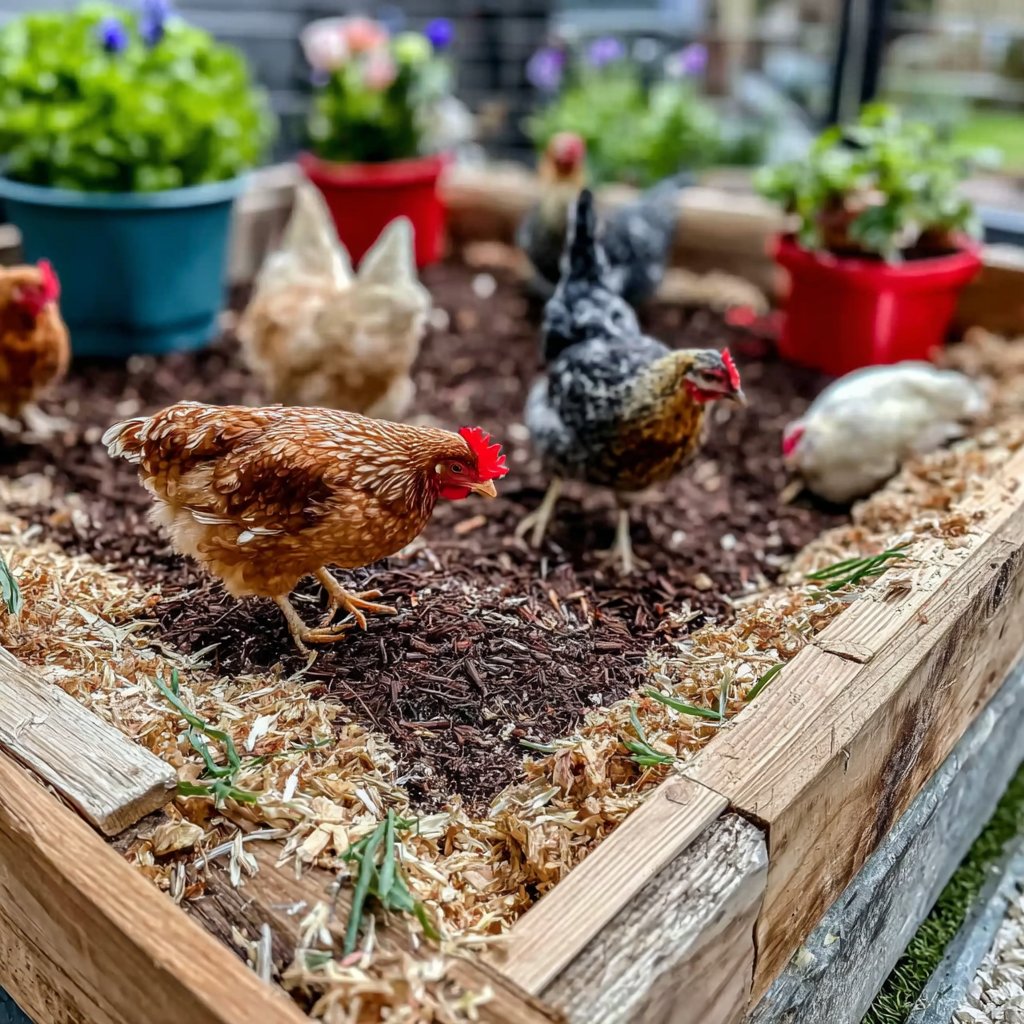
When working with recycled materials, think creatively about how each item can be utilized. For example, old pallets can be disassembled and transformed into nesting boxes or raised beds for your chickens. By planning ahead and visualizing the final product, you can ensure that every piece serves a purpose while minimizing waste. Don't hesitate to mix and match different materials to suit your design, like using wooden crates for nesting and downed branches for sturdy perches.
It’s also wise to check the condition of each item before incorporating it into your chicken run. Look for any exposed nails, rot, or sharp edges that could pose safety risks. A good tip is to sand down wooden surfaces and paint any raw edges with a non-toxic sealant to protect them from moisture. This will extend the life of your materials and keep your chicken run safe and cozy.
Creating a Cozy Environment
Designing a comfortable and stimulating environment for your chickens is crucial. Incorporating features like tires for dust baths not only recycles used materials but also provides your chickens with a natural way to keep their feathers clean. Position these dust baths in sunny spots to create inviting spaces that encourage your chickens to engage in their natural behaviors.
Additionally, consider creating shaded areas using old fencing or larger pallets. Chickens appreciate having places to escape the heat, and shaded spots can keep them comfortable during hot days. If you're working with limited space, opt for vertical designs that maximize your square footage while offering plenty of enrichment opportunities.
Safety and Maintenance Considerations
After assembling your chicken run, regular maintenance is essential to ensure a safe environment. Check for loose boards, rusted metal, or any signs of wear and tear every couple of weeks. It’s vital to fix these problems promptly to prevent injuries and keep your chickens secure. You can reinforce structures with zip ties or stronger fasteners if necessary, ensuring they’re up to the task of withstanding weather elements and the playful nature of your flock.
Don’t forget to clean the run periodically, removing any waste or debris that could pose health risks to your chickens. A weekly sweep and a deeper clean every month can help maintain a healthy space. Using natural, non-toxic cleaners will keep your feathered friends safe while ensuring their home remains pleasant and hygienic.
Ingredients
Recycled Material Ideas
- Old pallets for nesting boxes
- Discarded tires for dust baths
- Wooden crates for shelters
- Old fencing for boundaries
- Downed branches for perches
Instructions
Gather Recycled Materials
Start by collecting all the materials you can find. Visit local businesses or ask neighbors for any discarded items that may be useful in your chicken run.
Design Your Run
Sketch out a plan for your chicken run, incorporating the materials you've gathered. Consider the layout and how each recycled item can serve a purpose.
Construct and Assemble
Begin building your chicken run by assembling the recycled materials according to your design. Make sure everything is safe and secure for your chickens.
Add Enrichment Features
Incorporate features such as dust baths, perches, and resting spots using leftover materials. This will enhance your chickens' well-being while keeping them entertained.
Finalize and Inspect
Once everything is in place, inspect the run for safety hazards. Make any adjustments needed to ensure your chickens will thrive in their new environment.
Pro Tips
- Don't hesitate to get creative! Sometimes the most unconventional items can be the most useful in a chicken run. Always ensure that nothing used is treated with chemicals that could harm your chickens.
Enriching Your Chickens' Lives
Integrating enrichment features into your chicken run will greatly benefit your flock's mental and physical health. Use items like tall grasses or herbs planted alongside your recycled structures to encourage foraging, which is a natural behavior for chickens. This not only provides stimulation but can also enhance their diet with fresh greens.
Another fun idea is to create a 'chicken playground' with various heights and textures. Downed branches can be used as horizontal and vertical perches, while wooden crates can serve as steps or hideaways, encouraging exploration and play. Chickens thrive in environments that challenge them, so think outside the box to keep them engaged.
Make-Ahead and Seasonal Considerations
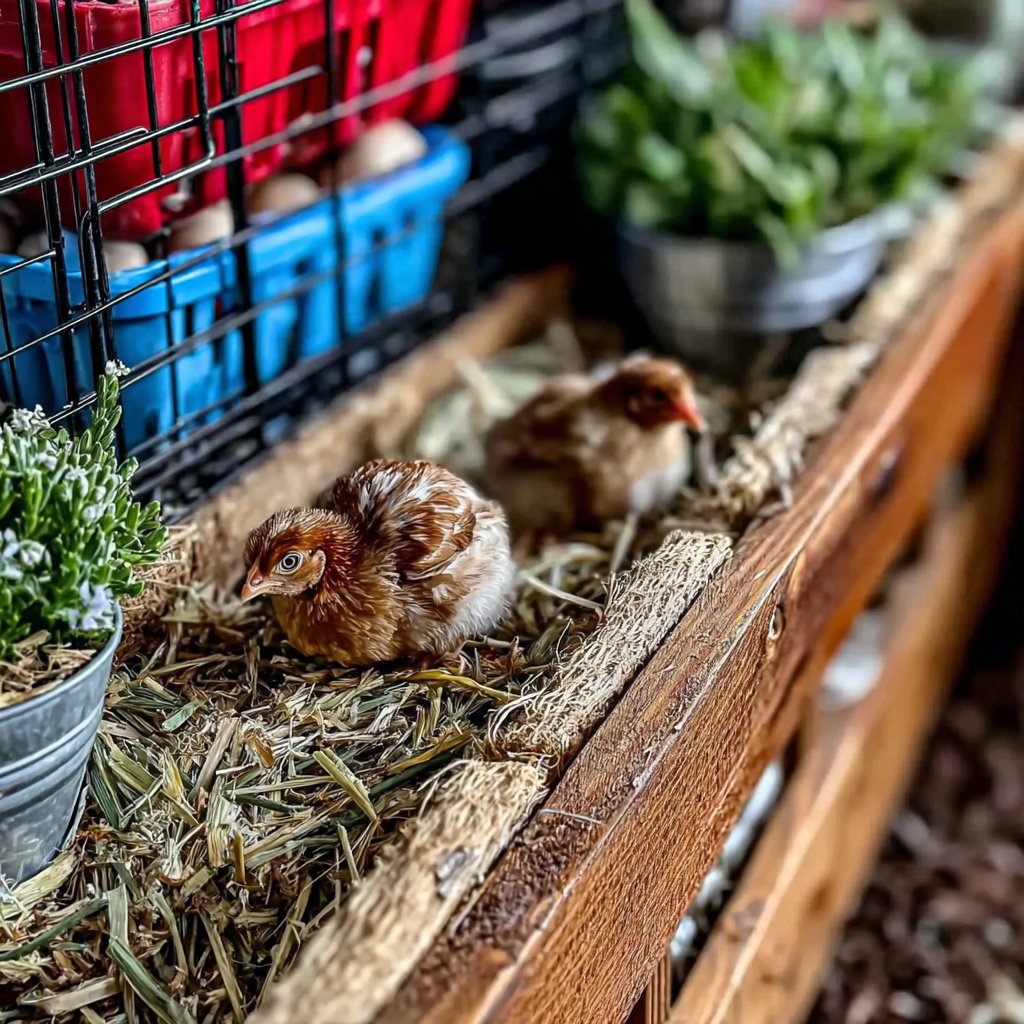
If you're planning to build your chicken run in advance of acquiring your chickens, consider creating temporary shelters using sturdy recycled crates and pallets. This provides safety and comfort until your permanent structure is in place. Doing this a few weeks prior gives you ample time to prepare the run and allows your chickens to acclimate to their new surroundings as they arrive.
Seasonal changes should also factor into your design; for instance, ensure your chicken run has adequate shelter and ventilation for warmer months and can be insulated or protected from harsh winter winds. Building your structure with adaptability in mind will help maintain a thriving environment year-round.
Scaling and Customizing Your Chicken Run
When considering expanding your chicken run, it's simple to incorporate additional recycled materials as your flock grows. Keep in mind the space requirements for each chicken, typically allowing about 4 square feet per bird in an outdoor run. Planning for future growth can save time and resources rather than a complete overhaul later on.
Customization is key to making your chicken run truly yours. Personal touches such as themed decorations using recycled items—like colorful bottles or painted rocks—can brighten the space and make it more enjoyable for both you and your chickens. Experiment with what feels right for you and your flock, making adjustments as necessary to optimize their happiness.
Questions About Recipes
→ What materials are safe to use for a chicken run?
Avoid treated woods or materials that may contain harmful chemicals. Stick to natural woods and non-toxic items.
→ How can I keep my chickens entertained?
Incorporate perches, dust baths, and hiding spots using recycled materials to keep them active and engaged.
→ Is there a specific design for a chicken run?
The design can vary based on available materials and space, so get creative and tailor it to your needs.
→ How often should I clean the chicken run?
Regular cleaning is essential. Aim to clean the run at least once a week to maintain a healthy environment.
Chicken Run Ideas Using Recycled Materials
Created by: Maya Richardson
Recipe Type: Effortless Weeknight Cooking
Skill Level: Beginner
Final Quantity: 1
What You'll Need
Recycled Material Ideas
- Old pallets for nesting boxes
- Discarded tires for dust baths
- Wooden crates for shelters
- Old fencing for boundaries
- Downed branches for perches
How-To Steps
Start by collecting all the materials you can find. Visit local businesses or ask neighbors for any discarded items that may be useful in your chicken run.
Sketch out a plan for your chicken run, incorporating the materials you've gathered. Consider the layout and how each recycled item can serve a purpose.
Begin building your chicken run by assembling the recycled materials according to your design. Make sure everything is safe and secure for your chickens.
Incorporate features such as dust baths, perches, and resting spots using leftover materials. This will enhance your chickens' well-being while keeping them entertained.
Once everything is in place, inspect the run for safety hazards. Make any adjustments needed to ensure your chickens will thrive in their new environment.
Extra Tips
- Don't hesitate to get creative! Sometimes the most unconventional items can be the most useful in a chicken run. Always ensure that nothing used is treated with chemicals that could harm your chickens.