Buttery Croissant Baking Recipe
Highlighted under: Pastry & Sweets
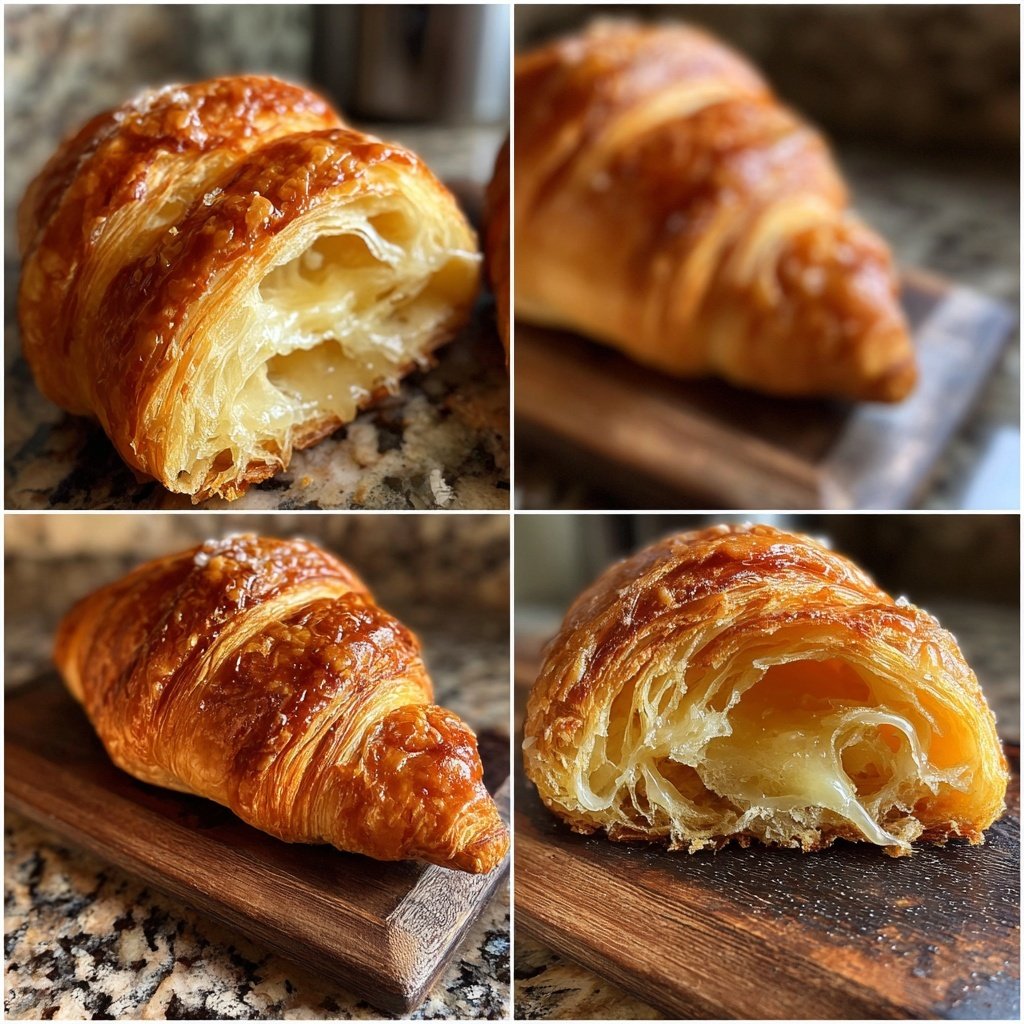
I’ve always had a soft spot for flaky croissants, and making them at home has been a delightful journey. Each time I bake these buttery treats, I find that the smell wafting through my kitchen is enough to make anyone excited. With layers of rich butter and a touch of patience, these croissants turn out crisp on the outside and soft on the inside. I’ve embraced the folding method after numerous trials, and I truly believe it’s what brings these pastries to life, ensuring they rise beautifully.
As I embarked on making buttery croissants for the first time, I was overwhelmed with excitement and a bit of apprehension. The technique of lamination, which involves folding layers of dough and butter, can seem daunting, but it’s the secret behind that signature flaky texture. I made sure to keep my butter cold and my workspace cool, as this helps maintain the integrity of the layers.
During the baking process, the croissants puffed up beautifully, and I watched in awe as they transformed from simple dough into golden, flaky pastries. I learned that letting the dough rest is just as important as the mixing and folding; it gives the gluten time to relax, which ultimately leads to the perfect rise. Trust me; the aroma is worth every minute spent waiting!
Why You Will Love This Recipe
- Light and airy texture that melts in your mouth
- Rich, buttery flavor that beats any store-bought croissant
- Impressive homemade treat perfect for brunch or dessert
Understanding the Dough
The base for these croissants is a well-kneaded dough that sets the stage for layers of buttery goodness. The warm milk is crucial for activating the instant yeast, which contributes to the dough's rise and, ultimately, the final flaky texture. Be careful not to incorporate any cold ingredients here, as they can inhibit yeast activity and result in denser croissants. Kneading for about five minutes until the dough is smooth develops the gluten structure, giving the croissants the necessary strength to hold their layers.
Once kneaded, allowing the dough to rise in a warm spot is essential. Look for a nearly doubled size, typically about an hour, depending on the room temperature. If your kitchen is particularly cool, placing the bowl in a slightly warm oven or covering it with a warm, damp cloth can help create a conducive environment. This rising time means a lighter and airier croissant as it will create more gas bubbles within the dough, leading to a delicate texture once baked.
Perfecting the Butter Layer
The butter layer is what gives croissants their signature flakiness and rich flavor, making the temperature and condition of the butter critical. Firm, cold butter is easier to fold into the dough without melting, preventing it from leaking out during the lamination process. When forming the butter into a rectangle, aim for a thickness of about half an inch. A high butter-fat content is essential here, so I suggest using high-quality unsalted butter for the best flavor. If unsalted butter is unavailable, you can use salted butter but will need to reduce or omit the added salt in the dough.
As you prepare each butter layer, keep an eye on its temperature. If the kitchen is warm, refrigerate the butter a bit longer as any softening makes it challenging to achieve those beautiful layers. If you notice that your butter is melting into the dough while rolling, take a break and refrigerate everything for about 15 minutes to firm it up again. A successful lamination relies on the butter staying solid and separate from the dough during each fold, leading to that golden-brown flake when baked.
Shaping and Baking Tips
When shaping croissants, it's key to roll the dough into a precise rectangle and cut uniform triangles—this helps them bake evenly. A good practice is to use a pizza cutter or a sharp knife for clean edges. The angle at which you roll the triangles also affects the croissant's shape; rolling tightly from the base to the tip ensures a well-defined croissant that rises beautifully in the oven. Remember to leave enough space on the baking sheet when placing the shaped croissants, as they will expand significantly when baking.
As for the baking process, preheating your oven is non-negotiable. Set it to 400°F (200°C) and allow it to preheat fully before introducing the croissants. This initial high heat helps create the steam needed for the flaky texture. For a beautiful golden exterior, brush them with an egg wash for shine and color. If you're not ready to bake right away, you can refrigerate the shaped croissants overnight; just remember to add an extra 10-15 minutes to the rising time before baking.
Ingredients
Gather the following ingredients to make these delectable croissants:
For the Dough
- 4 cups all-purpose flour
- 1/4 cup granulated sugar
- 1 tablespoon salt
- 2 teaspoons instant yeast
- 1 1/4 cups whole milk, warm
- 1/4 cup unsalted butter, melted
For the Butter Layer
- 1 1/2 cups unsalted butter, cold and cubed
For Egg Wash
- 1 egg
- 1 tablespoon water
Ensure all ingredients are at the right temperature for optimal results.
Instructions
Follow these steps for perfectly flaky croissants:
Make the Dough
In a large mixing bowl, combine flour, sugar, salt, and yeast. Add warm milk and melted butter. Mix until a dough forms, then knead for about 5 minutes until smooth. Let it rise in a warm spot covered with a cloth for 1 hour.
Prepare the Butter Layer
On a parchment-lined plate, spread the cold butter into a rectangle about 1/2 inch thick. Refrigerate until firm, about 30 minutes.
Laminate the Dough
Roll out the dough into a rectangle, then place the cold butter in the center. Fold the dough over the butter and seal the edges. Roll out into a large rectangle and fold into thirds. Repeat this folding twice more, chilling for 30 minutes between folds.
Shape the Croissants
Roll out the final dough into a large rectangle and cut it into triangles. Roll each triangle tightly from the base to the tip, forming the croissant shape. Let the shaped croissants rise for 1 hour.
Bake
Preheat the oven to 400°F (200°C). Mix egg and water to create an egg wash and brush over the croissants. Bake for 20-25 minutes until golden brown. Allow to cool slightly before serving.
Enjoy your freshly baked croissants with your favorite jam or as is!

Pro Tips
- For the best croissant texture, keep all ingredients cold and handle the dough as little as possible to avoid overheating.
Make-Ahead and Storage
Croissants can be made ahead and frozen either shaped or baked. If freezing unbaked croissants, place them on a parchment-lined tray to freeze individually, then transfer to a zip-top bag. They can be baked straight from the freezer; just add an extra ten minutes to the bake time. For baked croissants, store them in an airtight container at room temperature for up to two days. To reheat, place them in a preheated oven at 350°F (175°C) for about 5-7 minutes to restore their crispiness.
If you're considering making a large batch, these croissants freeze beautifully. After baking, allow them to cool completely, then wrap them tightly in plastic wrap, followed by a layer of aluminum foil to prevent freezer burn. They'll keep well for up to three months. To enjoy, let them thaw overnight in the fridge and warm them in the oven to bring back their delightful texture.
Variations to Try
Feel free to experiment with fillings! You can add chocolate pieces, almond paste, or even ham and cheese for a savory twist. Just be cautious not to overfill, as this could cause the croissants to burst during baking. A sprinkle of cinnamon and sugar before rolling can also yield a delightful sweet treat.
For a delightful caramelized flavor, you might consider brushing the croissants with a little maple syrup before baking. This adds a rich sweetness and an appealing sheen. Experimenting with different drizzles, such as a vanilla glaze or chocolate sauce after baking, can elevate your croissants into a gourmet experience.
Questions About Recipes
→ Can I use margarine instead of butter?
While you can use margarine, using quality unsalted butter gives you the best flavor and texture.
→ How do I store leftover croissants?
Store them in an airtight container at room temperature for up to 2 days or freeze for longer storage.
→ Why is resting the dough important?
Resting allows the gluten to relax, which helps the croissants rise beautifully without too much shrinkage.
→ Can I make the dough ahead of time?
Yes, you can prepare the dough the day before and keep it in the fridge overnight before shaping and baking.
Buttery Croissant Baking Recipe
Created by: Maya Richardson
Recipe Type: Pastry & Sweets
Skill Level: Intermediate
Final Quantity: 12 croissants
What You'll Need
For the Dough
- 4 cups all-purpose flour
- 1/4 cup granulated sugar
- 1 tablespoon salt
- 2 teaspoons instant yeast
- 1 1/4 cups whole milk, warm
- 1/4 cup unsalted butter, melted
For the Butter Layer
- 1 1/2 cups unsalted butter, cold and cubed
For Egg Wash
- 1 egg
- 1 tablespoon water
How-To Steps
In a large mixing bowl, combine flour, sugar, salt, and yeast. Add warm milk and melted butter. Mix until a dough forms, then knead for about 5 minutes until smooth. Let it rise in a warm spot covered with a cloth for 1 hour.
On a parchment-lined plate, spread the cold butter into a rectangle about 1/2 inch thick. Refrigerate until firm, about 30 minutes.
Roll out the dough into a rectangle, then place the cold butter in the center. Fold the dough over the butter and seal the edges. Roll out into a large rectangle and fold into thirds. Repeat this folding twice more, chilling for 30 minutes between folds.
Roll out the final dough into a large rectangle and cut it into triangles. Roll each triangle tightly from the base to the tip, forming the croissant shape. Let the shaped croissants rise for 1 hour.
Preheat the oven to 400°F (200°C). Mix egg and water to create an egg wash and brush over the croissants. Bake for 20-25 minutes until golden brown. Allow to cool slightly before serving.
Extra Tips
- For the best croissant texture, keep all ingredients cold and handle the dough as little as possible to avoid overheating.
Nutritional Breakdown (Per Serving)
- Calories: 250 kcal
- Total Fat: 15g
- Saturated Fat: 9g
- Cholesterol: 50mg
- Sodium: 200mg
- Total Carbohydrates: 28g
- Dietary Fiber: 1g
- Sugars: 1g
- Protein: 5g