Homemade Sweet Sourdough Loaf
Highlighted under: Pastry & Sweets
I absolutely love baking homemade bread, and this sweet sourdough loaf has quickly become one of my favorites. The combination of tangy sourdough flavor and subtle sweetness creates a delightful balance that pairs perfectly with butter or on its own. What I enjoy the most is the aroma that fills my kitchen as it bakes—a warm, comforting scent that's hard to resist. With just a few hours and some patience, you can create a loaf that feels special without any fuss.
When I first tried my hand at sourdough baking, I was intimidated by the process but thrilled by the prospect of creating something from scratch. After multiple experiments, I've honed this sweet recipe that combines my love for sourdough with a hint of sweetness, making it perfect for breakfast or an afternoon treat. I've found that letting the dough rest adequately enhances the flavor, allowing the natural fermentation to work its magic.
One tip I swear by is to always use a kitchen scale for measuring your ingredients accurately; it truly makes a difference in your final loaf. I've also discovered that adding a touch of honey or maple syrup not only elevates the flavor but also results in a beautifully caramelized crust. Trust me, this loaf is worth the effort!
Why You'll Love This Recipe
- The perfect balance of tangy sourdough and sweet flavor
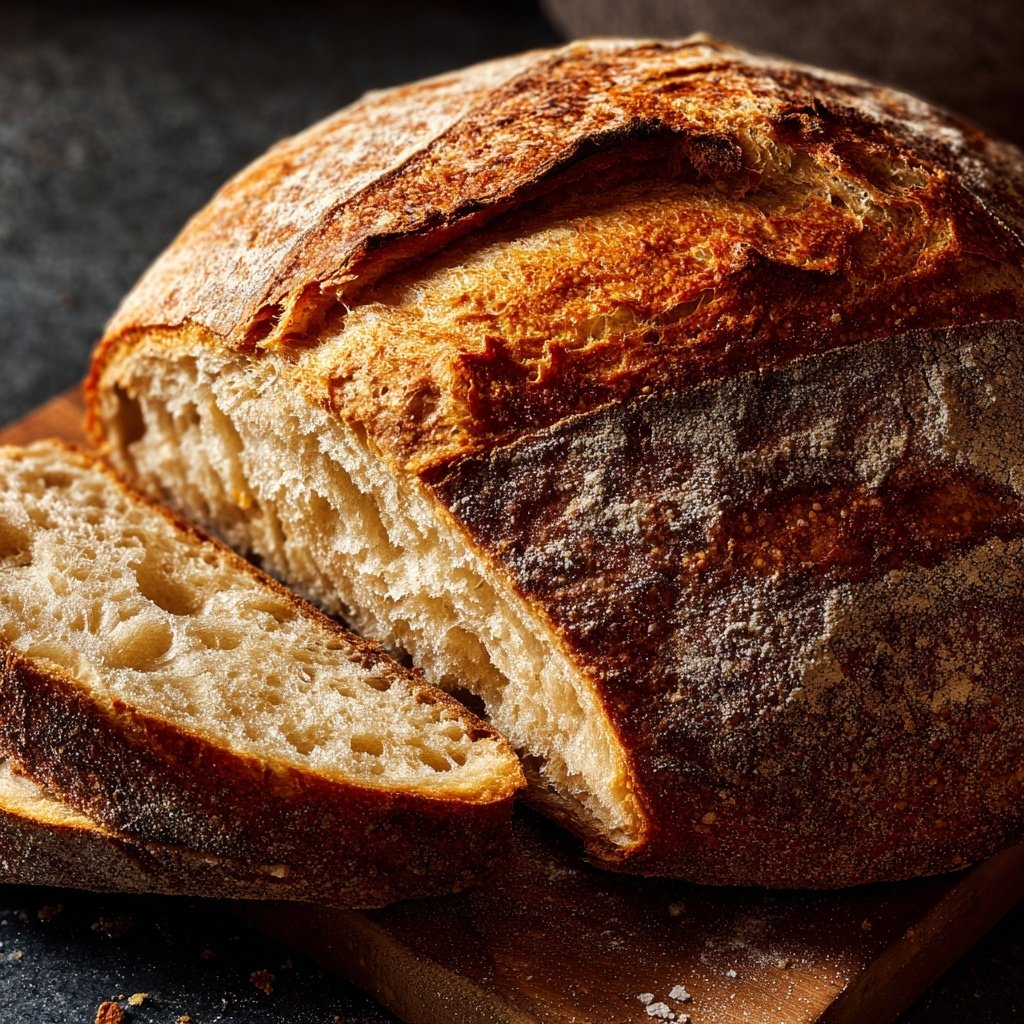
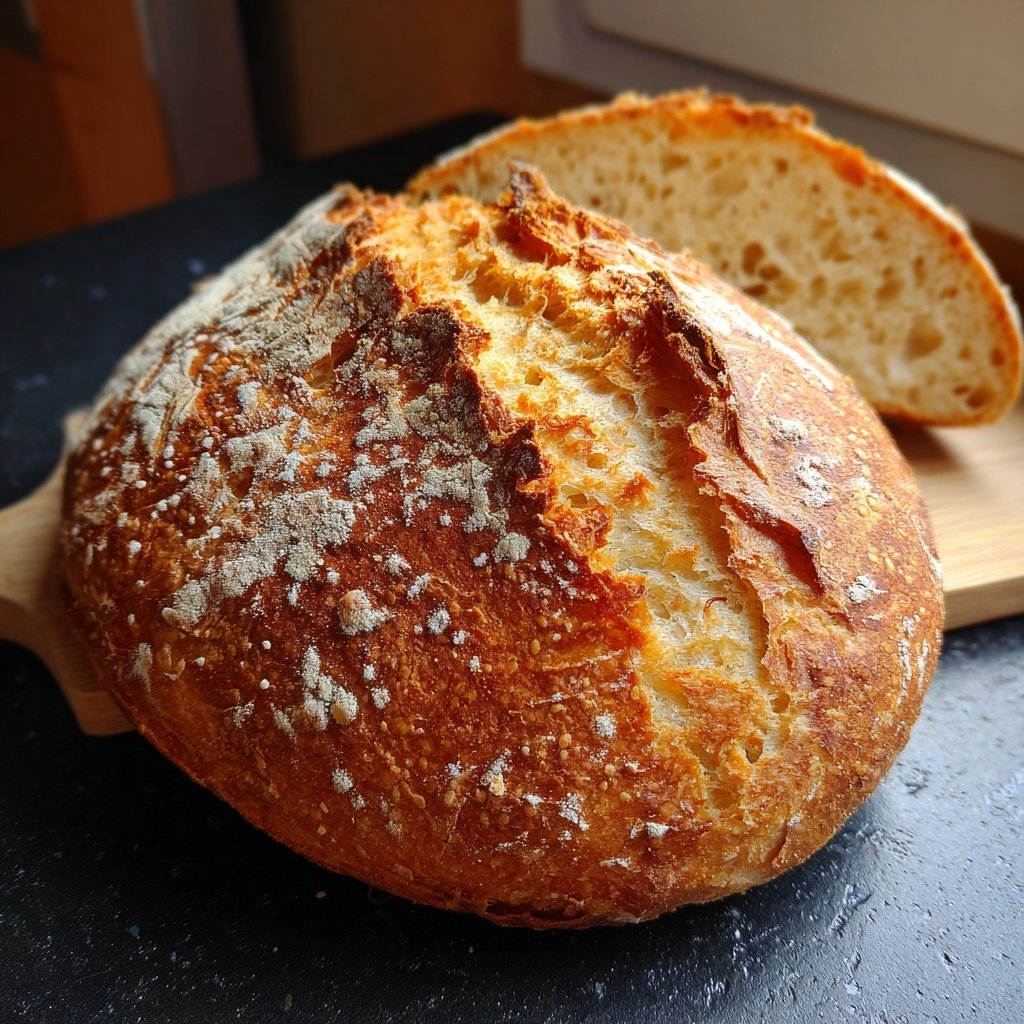
- A crusty exterior with a soft and airy interior
- Great for sandwiches or a sweet toast with your favorite toppings
Understanding the Ingredients
The foundation of this sweet sourdough loaf is high-quality all-purpose flour, providing the necessary structure and protein to create a beautiful crumb. While you could experiment with bread flour for a chewier texture, all-purpose flour strikes a perfect balance for this recipe, ensuring a delightful soft interior. Make sure your flour is fresh; older flour can lead to a dense loaf that lacks the airy qualities we’re aiming for.
The role of the sourdough starter is paramount. It not only imparts that characteristic tangy flavor but also helps the loaf rise. The amount of starter used is crucial: too little may not provide enough leavening, while too much can lead to an overly sour taste. Using a lively, active starter ensures your dough will rise beautifully during both proofing stages, ultimately yielding a loaf that’s both light and flavorful.
Perfecting the Baking Process
Baking is where all your hard work culminates. It’s essential to preheat your oven properly to 375°F (190°C), as a well-heated oven helps create a lovely crust. If you find your loaf browning too quickly while baking, you can tent it with aluminum foil to prevent burning. Look for that golden hue and test for doneness by tapping the bottom of the loaf; a hollow sound indicates it’s done.
Cooling your bread is a vital step that often gets overlooked. Letting it rest in the pan for 10 minutes allows the steam to escape, helping to set the crumb. Transferring the loaf to a wire rack, however, is critical for getting that crispy crust. If you cut into the bread too soon, the steam could make the inside gummy, so exercise a little patience!
Storage and Variations
If you want to make this recipe ahead of time, the dough can be refrigerated after the first rise. This allows for a longer fermentation, enhancing the flavor and chewiness of the crust. Simply shape the loaf and place it in the refrigerator overnight. In the morning, let it come to room temperature before continuing with the second rise and baking.
Feel free to get creative with toppings or mix-ins! Dried fruit such as cranberries or nuts can add flavor and texture, creating a unique bread for special occasions. For added sweetness, consider sprinkling a cinnamon sugar mixture on top before the final rise. Just keep in mind that the more ingredients you add, the more you might need to adjust your hydrating levels slightly.
Ingredients
Gather all the ingredients before starting for a smoother baking process:
Ingredients
- 500g all-purpose flour
- 300ml warm water
- 150g active sourdough starter
- 50g sugar
- 10g salt
- 30ml olive oil
- 1 tablespoon honey or maple syrup
Make sure all ingredients are at room temperature to ensure even mixing.
Instructions
Follow these steps for perfect homemade sweet sourdough:
Mixing the Dough
In a large bowl, combine the warm water, active sourdough starter, and honey. Mix until well combined. Then, add flour, sugar, and salt. Stir until a shaggy dough forms.
Kneading
Transfer the dough onto a floured surface and knead for about 10 minutes, until the dough is smooth and elastic. Add olive oil while kneading for a richer flavor.
First Rise
Place the kneaded dough in a greased bowl, cover with a damp cloth, and let it rise in a warm place for 2 hours or until doubled in size.
Shaping
After the dough has risen, gently punch it down and turn it out onto a floured surface. Shape it into a loaf and place it in a greased loaf pan.
Second Rise
Cover the loaf pan with a damp cloth and let it rise for an additional 1 hour until it has risen to the top of the pan.
Baking
Preheat the oven to 375°F (190°C). Bake the loaf for 35-45 minutes or until golden brown and sounds hollow when tapped on the bottom.
Cooling
Remove the loaf from the oven and let it cool in the pan for 10 minutes before transferring it to a wire rack to cool completely.
Enjoy your freshly baked sweet sourdough loaf with butter, jam, or on its own!
Pro Tips
- For best results, make sure your sourdough starter is active and bubbly. Adjust the baking time depending on your oven, as ovens can vary widely in temperature.
Troubleshooting Common Issues
If your loaf doesn’t rise as expected, there could be a few culprits. Ensure your sourdough starter is active and bubbly before using it. Additionally, environmental factors can affect rising times; colder rooms will slow down the fermentation process. In such cases, placing the dough in a warm spot, like near an unlit oven, can encourage better rising.
Sometimes a flat loaf can occur if the dough was over-kneaded or if it loses its structure during shaping. When shaping, maintain enough tension in the dough's surface to help it hold its shape. If you encounter sticky dough that’s hard to handle, consider lightly oiling your hands and work surface rather than over-flouring, which could alter the dough’s hydration balance.
Serving Suggestions
This sweet sourdough loaf is incredibly versatile. For a hearty breakfast, slice it and toast it lightly; it pairs wonderfully with butter or homemade jams. You can also experiment with savory toppings like avocado and soft-boiled eggs for an exciting brunch option. Alternatively, use it as a base for sandwiches with meats and cheeses, allowing the sweet undertones to complement various flavors.
If you find yourself with leftovers, consider transforming them into delicious French toast. Simply soak the slices in a mixture of eggs and milk with a pinch of cinnamon before cooking them on a griddle. The subtle sweetness of the bread will elevate this classic dish to something special, making it perfect for a weekend treat.
Questions About Recipes
→ Can I use whole wheat flour instead of all-purpose flour?
Yes, you can substitute up to 50% of the all-purpose flour with whole wheat flour for added nutrients and flavor.
→ How do I know when my sourdough starter is ready to use?
Your sourdough starter is ready when it has doubled in size within 4-6 hours after feeding and has a bubbly, frothy appearance.
→ What if my dough isn't rising?
Ensure your sourdough starter is active. You may also want to give it more time in a warmer environment.
→ Can I add ingredients like nuts or dried fruit?
Absolutely! You can fold in nuts or dried fruit during the shaping step for added flavor and texture.
Homemade Sweet Sourdough Loaf
Created by: Maya Richardson
Recipe Type: Pastry & Sweets
Skill Level: Intermediate
Final Quantity: 1 large loaf
What You'll Need
Ingredients
- 500g all-purpose flour
- 300ml warm water
- 150g active sourdough starter
- 50g sugar
- 10g salt
- 30ml olive oil
- 1 tablespoon honey or maple syrup
How-To Steps
In a large bowl, combine the warm water, active sourdough starter, and honey. Mix until well combined. Then, add flour, sugar, and salt. Stir until a shaggy dough forms.
Transfer the dough onto a floured surface and knead for about 10 minutes, until the dough is smooth and elastic. Add olive oil while kneading for a richer flavor.
Place the kneaded dough in a greased bowl, cover with a damp cloth, and let it rise in a warm place for 2 hours or until doubled in size.
After the dough has risen, gently punch it down and turn it out onto a floured surface. Shape it into a loaf and place it in a greased loaf pan.
Cover the loaf pan with a damp cloth and let it rise for an additional 1 hour until it has risen to the top of the pan.
Preheat the oven to 375°F (190°C). Bake the loaf for 35-45 minutes or until golden brown and sounds hollow when tapped on the bottom.
Remove the loaf from the oven and let it cool in the pan for 10 minutes before transferring it to a wire rack to cool completely.
Extra Tips
- For best results, make sure your sourdough starter is active and bubbly. Adjust the baking time depending on your oven, as ovens can vary widely in temperature.
Nutritional Breakdown (Per Serving)
- Calories: 300 kcal
- Total Fat: 5g
- Saturated Fat: 0.5g
- Cholesterol: 0mg
- Sodium: 200mg
- Total Carbohydrates: 56g
- Dietary Fiber: 2g
- Sugars: 10g
- Protein: 8g